Fishing Trip Photos
Book a Trip
Types of fish you can catch
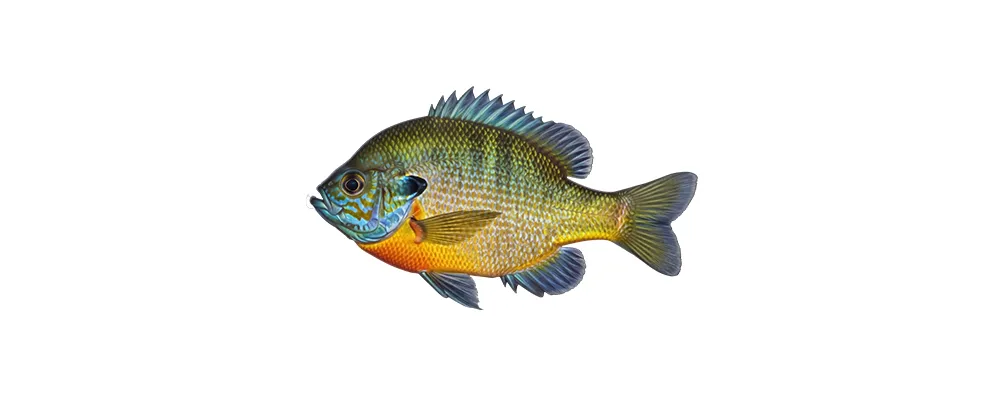
BlueGill
Scientific Name: Lepomis macrochirus
Short Description: One of the most popular and abundant panfish in North America. Bluegills are aggressive fighters for their size, excellent table fare, and a great target for beginners and families.
Key Facts
Key Facts:Avg Size: 7–9 inches (up to 16 inches)
Avg Weight: 0.5–1 lb (record ~4 lb 12 oz)
Best Season: Late spring to early summer (spawning in shallows)
Fighting Style: Strong, stubborn side-to-side fights — "game little fighters"
Preferred Baits/Methods: Worms, crickets, small jigs, poppers; light tackle around docks, weeds, and structure
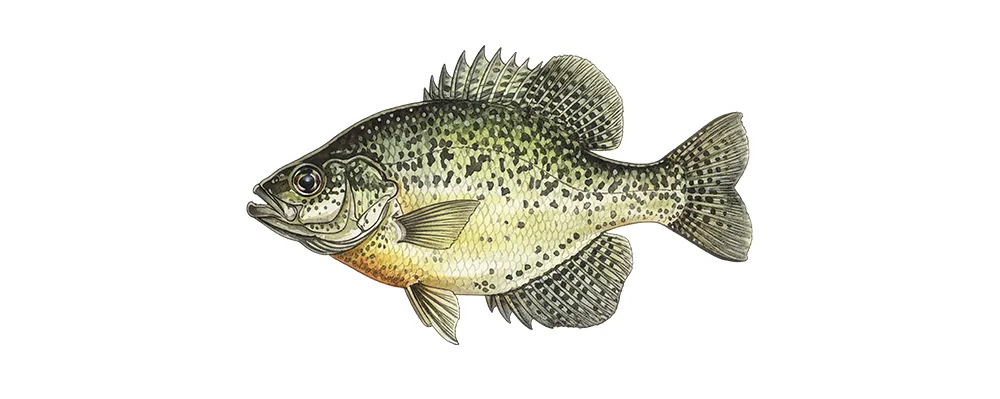
Crappie
Scientific Name: Pomoxis nigromaculatus (Black)
Short Description: Nicknamed "specks," crappie are prized for their sweet, flaky white meat and schooling behavior. Excellent year-round targets, especially in spring when they move shallow.
Key Facts
Avg Size: 8–12 inches (up to 19+ inches)
Avg Weight: 0.5–1.5 lbs (records over 5 lbs)
Best Season: Spring (March–May) spawning; good year-round
Fighting Style: Strong runs and head shakes, especially on light tackle
Preferred Baits/Methods: Minnows, small jigs (1/16–1/8 oz), tube jigs; brush piles, timber, and docks
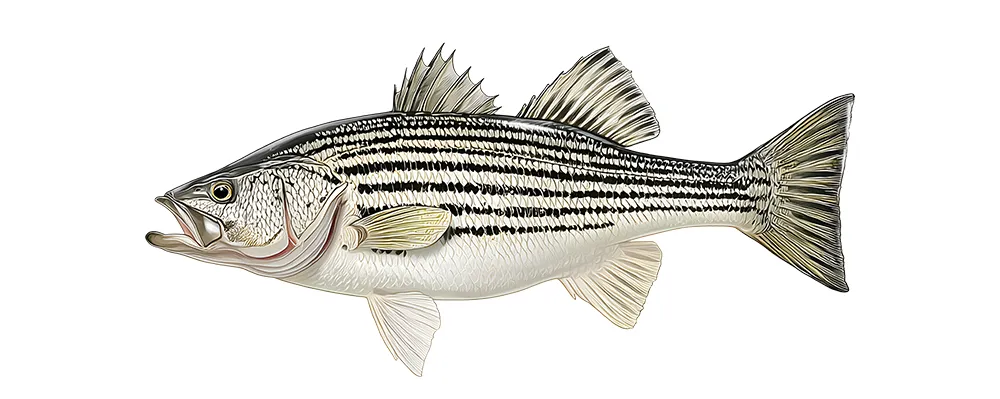
Hybrid Bass
Scientific Name: Morone chrysops × Morone saxatilis
Short Description: A fast-growing hybrid cross between white bass and striped bass. Known for explosive fights and aggressive schooling behavior — a favorite for anglers seeking hard-pulling fish.
Key Facts
Avg Size: 15–25+ inches
Avg Weight: 2–10+ lbs (can reach 20+ lbs)
Best Season: Spring and fall; active in open water
Fighting Style: Extremely powerful runs and acrobatic jumps
Preferred Baits/Methods: Shad, minnows, swimbaits, spoons, topwaters; trolling or casting in schools
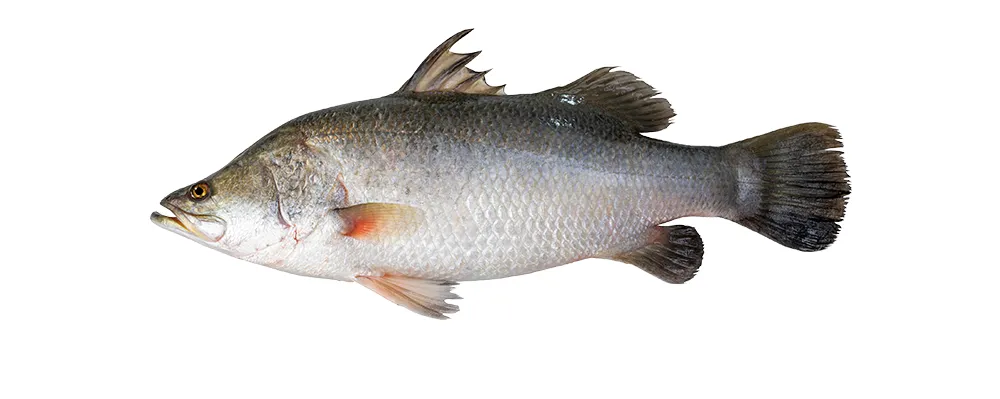
White Bass
Key Facts
Avg Size: 10–15 inches (up to 17+ inches)
Avg Weight: 0.5–2 lbs (record ~6–7 lbs)
Best Season: Spring spawning run; summer surface action
Fighting Style: Fast, strong pulls with occasional jumps
Preferred Baits/Methods: Shad, minnows, small crankbaits, spoons, jigs; target schools in open water or below dams
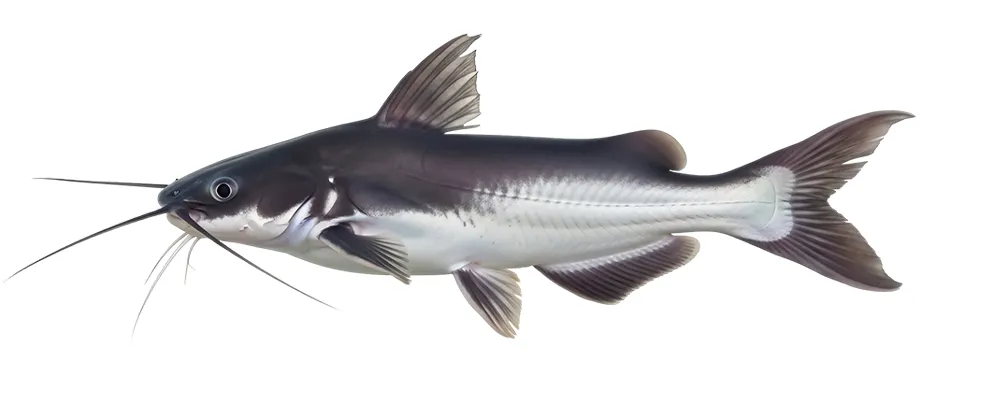
Blue Catfish
Key Facts
Avg Size: 24–36+ inches (up to 5+ feet)
Avg Weight: 20–40 lbs common in good waters (record 143 lbs)
Best Season: Spring through fall; year-round in rivers
Fighting Style: Powerful, bulldog runs and long fights
Preferred Baits/Methods: Cut shad, live bait, chicken liver; bottom rigs in deep channels and river structure
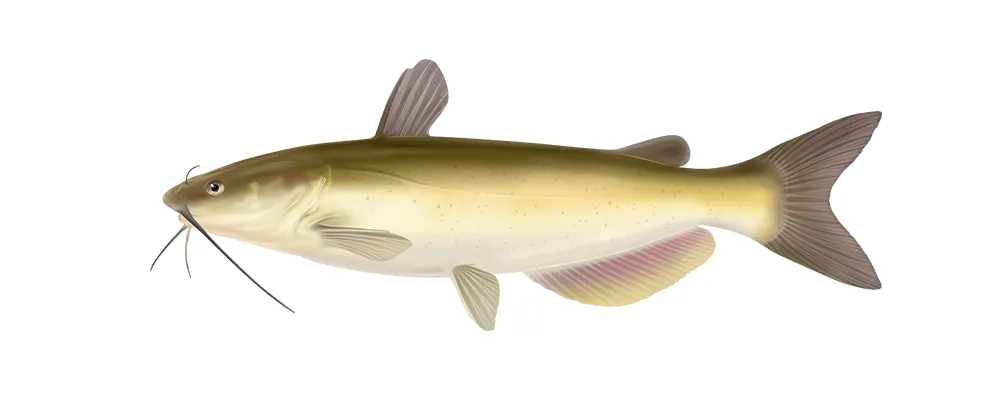
Channel Catfish
Key Facts
Avg Size: 15–25+ inches
Avg Weight: 2–10+ lbs (can reach 20+ lbs)
Best Season: Spring and fall; active in open water
Fighting Style: Extremely powerful runs and acrobatic jumps
Preferred Baits/Methods: Shad, minnows, swimbaits, spoons, topwaters; trolling or casting in schools
Good to Knows
Trip INcludes

Rods, Reels & Tackle
Live Bait ( When Applicable)
Lures (When Applicable)
Catch Cleaning & Fileting
What to Bring
Hat Sunscreen, Polaroid Sunglasses
Wear weather appropriate clothing
Food and Drinks
Fishing License
Children under 12 years are always welcomed!